
Campbell County is Preparing for the Future of the Energy Sector
2 Apr 2026
News
Energy is Wyoming's largest industry, as the state produces 12 times more energy than it consumes. With the Powder River Basin producing 40% of the nation’s coal and having robust deposits of uranium, oil, methane, and rare earth elements. However, there are opportunities to bring new industries to Wyoming and develop businesses within the energy sector. This is what Energy Capital Economic Development (ECED) is focusing on.
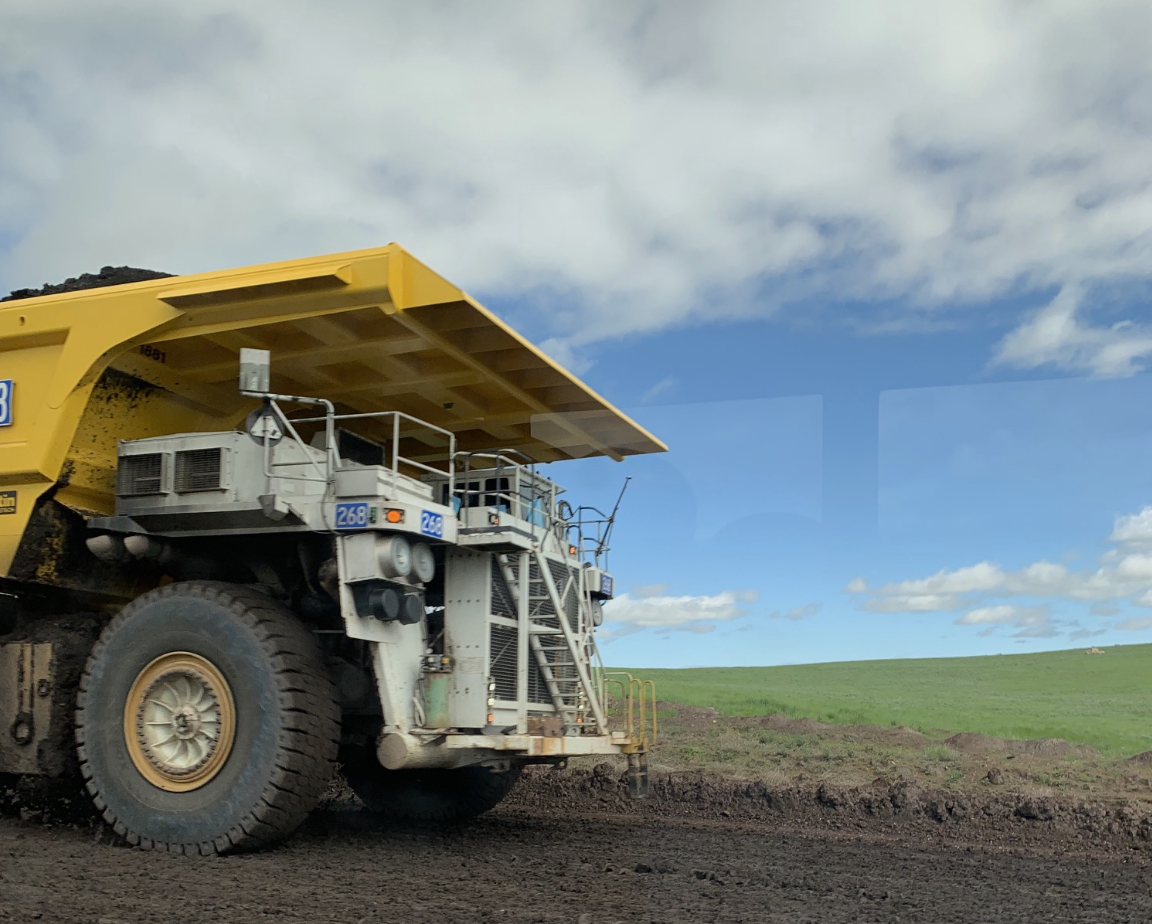
“Some of our biggest projects right now are creating co-use situations with the coal mines,” says Rusty Bell, CEO of ECED. “There are hundreds of millions of dollars of infrastructure that, by policy requirements, are to be torn down once mining operations end. Our goal is to find good partners to alleviate the mines of the reclamation burden and save this valuable infrastructure.”
When local mines partner with other companies and industries, they can share infrastructure resources like roads, industrial water systems, rail, transmission lines, and substations. This also extends the life of these assets long after the mine closes. Learn more about this process and how it stands to shape Campbell County’s future.
Co-Use Agreements With Mines Naturally Attract Large Projects
One of the benefits of developing co-use situations with local mining companies is that they are well-suited for major projects. Not many mom-and-pop stores need their own substations, rail, or industrial water systems. This means that ECED is working with large companies that require significant infrastructure to operate. While Wyoming and other states in the American West have no shortage of land, Campbell County is offering roads, utilities, rail, and other resources ready to go.
“The coal mines have done a tremendous job of building Campbell County to what it is, and we want them to be part of its future,” says Bell. “These projects help turn their reclamation liabilities into major assets for potential business growth.”
Attracting partners to share infrastructure with the mines will diversify the local economy and bring new jobs to Campbell County, which means more opportunities for both the current and future workforce. A more diverse economy also benefits the energy sector as some of these large projects come with significant power demands.
Campbell County Doesn’t Have to Choose Between Sectors
The ECED team emphasizes that these co-use agreements aren’t pulling Campbell County away from the coal industry, or even the energy sector as a whole. Instead, it drives the region to be more diverse and stable – creating an environment that allows all businesses to flourish.
“Diversifying the economy does not mean abandoning the energy sector,” says Bell. “If more people are coming to Campbell County for manufacturing or mineral processing jobs, that also means a larger hiring pool for the coal companies. Co-locating a business on a mine site also creates additional demand for reliable coal-fired baseload power.”
ECED is currently working on about 22 active projects, many of which are related to co-use with the local mines. The top four projects are worth a combined $4 billion in potential capital investment. If the companies meeting with ECED choose Campbell County, they would have a major impact on the community for the next 50+ years.
“Four billion dollars is a significant investment for any community, let alone one with 35,000 people,” says Bell.
These projects are a win-win-win for everyone involved. The coal companies save millions in reclamation bonding, the newly arrived companies have a faster speed to market, and Campbell County residents have more high-paying job opportunities while the local government maintains stable tax revenue.
ECED is Preparing Campbell County for Growth
Economic development is never as simple as just attracting businesses and creating jobs. The community also needs to be ready for any new workers coming to Campbell County while supporting its current residents.
Much of the United States is facing a housing shortage, and Campbell County is not exempt from this trend. ECED estimates that Campbell County needs to add roughly 2,000 - 3,000 housing units over the next 10 years to keep up with potential growth. Should their top projects move forward, the companies coming to Campbell County would create about 730 direct jobs and 2,100 total jobs.
Being faced with this issue, ECED is trying to attract large housing developers and those who are considering all options including modular and manufactured homes.
“I think Campbell County is poised for growth,” says Bell. “Should any of these projects land, we are expecting a lot of growth, and our infrastructure is ready to handle a major population increase.”
Once again, Campbell County's infrastructure shines. Not only can it support companies moving to the area with co-use projects at mine sites, but it can also facilitate the development of subdivisions and communities.
ECED Works With Businesses to Support Residents
ECED represents about 40 private businesses and more than 8,400 employees - about 30% of the total labor force in Campbell County. The organization strives to create win-win scenarios for existing businesses, new companies entering the area, and residents.
“Energy Capital Economic Development is here to grow our local economy,” says Bell. “We are competing with highly aggressive states for business opportunities and potential investment. We want to make sure that Campbell County is a place where people want to live while creating opportunities for future generations.”
Campbell County stands out for its readiness to accommodate large projects. While most rural communities would have to invest heavily in infrastructure to attract large companies or big projects, Campbell County already has the roads, utilities, and other infrastructure that businesses need.
Learn More About Economic Development in Wyoming
Campbell County is one great example of economic development in Wyoming. Get to know other communities across the state, including Cheyenne, Laramie, and Cody. From developing entrepreneurs to focusing on full-time job creation, each community has its own goals for growth and dedicated residents ready to help.
Learn more about economic development in Wyoming as a whole with WEDA. The Wyoming Economic Development Association helps communities across the state and helps businesses move to choose this part of the country. We can make it easier for your company to choose the Cowboy State. Let us help you find a county that's a good fit for your infrastructure, workforce, and industry needs. Contact us today.
More Topics
Wyoming Businesses Get Easier Access to Training Grants with New Grant Management System
Oct 17 2025